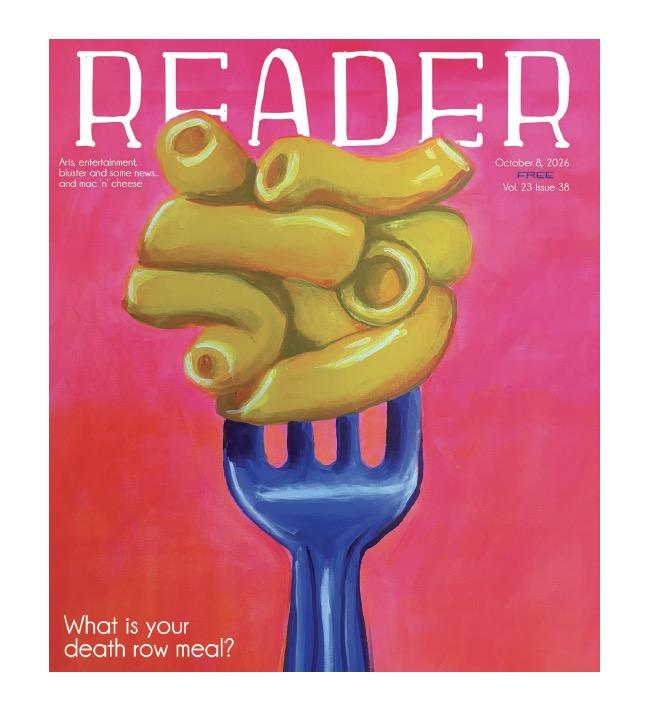
I don’t know what it is about fall, but it sure makes me hungry. This time of year I find myself thinking of all the wonderful dishes I’ve eaten, most of them consumed while traveling internationally. Below is a short list of my favorites, with brief instructions for where to find the best recipes.
Bún bò Nam bộ(Ha Noi, Vietnam)
Bún bò Nam bộ from Ha Noi, Vietnam.
During a whirlwind one-month tour of the entire country with my partner Cadie, I encountered many wonderful meals. Pho soup is hearty and filling, bánh bao are steamed dumplings filled with meat and other vegetables, and every entree or noodle dish has its own vibe. However, I nearly fainted with pleasure when we stopped into a little noodle restaurant near the St. Joseph’s Cathedral in Ha Noi. This was my first time experiencing bún bò Nam bộ, or Vietnamese beef noodle salad.
The dish masterfully incorporates the five elements of Vietnamese cuisine: spicy, sour, bitter, salty and sweet. The five fundamental tastes correspond to five organs (gallbladder, small intestine, large intestine, stomach and urinary bladder) and ensure that a dish is never too spicy, sour, bitter, salty or sweet because each element balances the others.
Bún bò Nam bộ is packed with fresh herbs, tasty beef, lime fish sauce dressing called nước chấm and vermicelli noodles, topped with fried shallots and roasted peanuts. The overall flavor is strong with lemongrass and is among one of the best things I’ve ever eaten. In the six days we spent in Ha Noi, I ate this dish at least seven times. It’s that freaking good.
The recipe that comes the closest to the original I ate in Ha Noi is from the website delightfulplate.com. Just search bún bò Nam bộ and your taste buds will thank you.
Curry chicken or goat roti (Falmouth, Antigua)
A chicken curry roti prepared in Falmouth, Antigua.
I can still hear the voice of the young British toddler with his sailing family as they sat down to eat lunch next to us at a clapboard shack near Falmouth Harbor in Antigua. “I want the roti, mummy,” he said. I thought, “What the heck is roti?” and tried it also.
Most Caribbean cuisine is a fusion of tastes and dishes from the islands’ many colonizers and inhabitants over the centuries. As a result, island food is a literal melting pot, with elements from Africa, Asia, Europe, Latin America and the Middle East all playing an important role.
Roti itself is flatbread that originated from the Indian subcontinent and is popular throughout Africa, the Caribbean and Southeast Asia. It is made of stoneground whole-wheat flour and is unleavened, unlike naan from India, which is leavened with yeast. Roti is close to a tortilla texture, but thicker and more flavorful.
Roti is most often served as a street food item in the Caribbean, folded around a savory filling in the form of a wrap. The roti is cooked on a tawa, a slightly curved iron pan in which the concave side is used as a wok and the convex side for cooking flatbreads.
You can fill a roti wrap with anything from chicken to goat to conch, but the most popular methods are to create a curried stew and either eat it with pieces of roti, or wrap it in a roti and eat it like a burrito.
There are a lot of different recipes available online, but the one that best captures the essence of this dish is found at cookingwithria.com.
Fasule/groshë/pasul me suxhuk(Theth, Albania)
A hearty fasule with sausage from Theth, Albania.
Albania features a lot of rustic, hearty cuisine that is heavy on soups, meats, simple vegetables and fried cheese. One dish we ate at several locations was fasule, or Albanian beans and sausage. The name might change, depending on where you are, but it’s either a brothy soup or more closely resembles baked beans (again, depending on where you get it). But the flavors are earthy and satisfying, making this dish easy to make, especially during autumn.
If you want to be super authentic, serve it with kulaç (pronounced “kulach”), a type of Albanian soda bread that is fairly simple to make.
Find a good recipe for fasule as well as kulaç at mediterraneanlatinloveaffair.com.
Chilaquiles(Bacalar, Mexico)
Chilaquiles prepared in Bacalar, Mexico.
When we seek comfort breakfast food in the U.S., we might whip up a batch of biscuits and gravy or a corned beef hash. In Mexico, there is the wonderful world of chilaquiles. It’s a popular breakfast dish all across Mexico, where green or red salsa is poured over crisp tortilla triangles, along with chicken, refried beans, crema, queso fresco, onions, avocados or anything else the chef wants to include. It’s essentially fancy breakfast nachos and I’m all for it.
Find a great recipe at rickbayless.com.
Oaxaca hamburguesa
(Oaxaca, Mexico)
A street vendor prepares a Oaxacan hamburgeusa in Oaxaca, Mexico.
It’s a little odd that one of the best cheeseburgers I’ve ever eaten came from a street vendor in Oaxaca, Mexico (and cost about $1). This isn’t your typical cheeseburger. They start with thin burger patties and top them with ham or bologna, add American cheese, Oaxacan string cheese (called quesillo), salsa fresca, diced or ring pineapple, lettuce, tomato and serve it all on a potato bun that has been buttered and toasted. They cook the whole thing on a griddle together and wrap it tight, making it the perfect snack after drinking cervezas all night. The recipe speaks for itself.
Want to support independent local journalism?
The Sandpoint Reader is our town's local, independent weekly newspaper. "Independent" means that the Reader is locally owned and operated by people who were born and raised in Sandpoint. The Reader is owned by Publisher Ben Olson, Editor-in-Chief Zach Hagadone and Senior Writer Soncirey Mitchell. Sandpoint Reader LLC is a completely independent business unit; no big newspaper group or corporate conglomerate or billionaire owner dictates our editorial policy. And we want the news, opinion and lifestyle stories we report to be freely available to all interested readers - so unlike many other newspapers and media websites, we have NO PAYWALL on our website. The Reader relies wholly on the support of our valued advertisers, as well as readers who voluntarily contribute. Want to ensure that local, independent journalism survives in our town? You can help support the Reader for as little as $1.
TIMBER WARS: Six-part series, February-November 2022. GO READ IT»
WHERE ARE THE WORKERS?: Five-part series, September-October 2021. GO READ IT»
THE AMERICAN REDOUBT: Seven-part series, November-December 2017. GO READ IT»
STANDOFF AT RUBY RIDGE: 25 Years Later. Five-part series, August-September 2017. GO READ IT»
Curious about what media the locals use? Check our 2018 Local Media Survey. GO SEE »
Sandpoint in Pictures
Filmmaker Jimmy Matlosz of the Idaho Film Company has made a series of mini documentaries about influential Sandpoint locals, including the late Dann Hall and Erik Daarstad as well as icons Diane Michaels and Dan Shook. He is currently working on a series of interviews connected to the history of the Panida Theater. Jimmy is a 30-year veteran filmmaker who's work can be seen at dpmatlosz.com.
Meet the Reader
Ever wonder who makes the Reader happen? Here's a behind-the-scenes look pieced together by summer 2017 intern McCalee Cain in which Ben, Cameron and Lyndsie explain what exactly about the Reader keeps them coming back to their shabby (but well-loved) office each week.